You chipped a tooth. Here is the difference between bonding, a crown and a veneer
The size of the chip and where it sits usually decides the fix, more than personal taste does.
September 15, 2026 · 4 min read
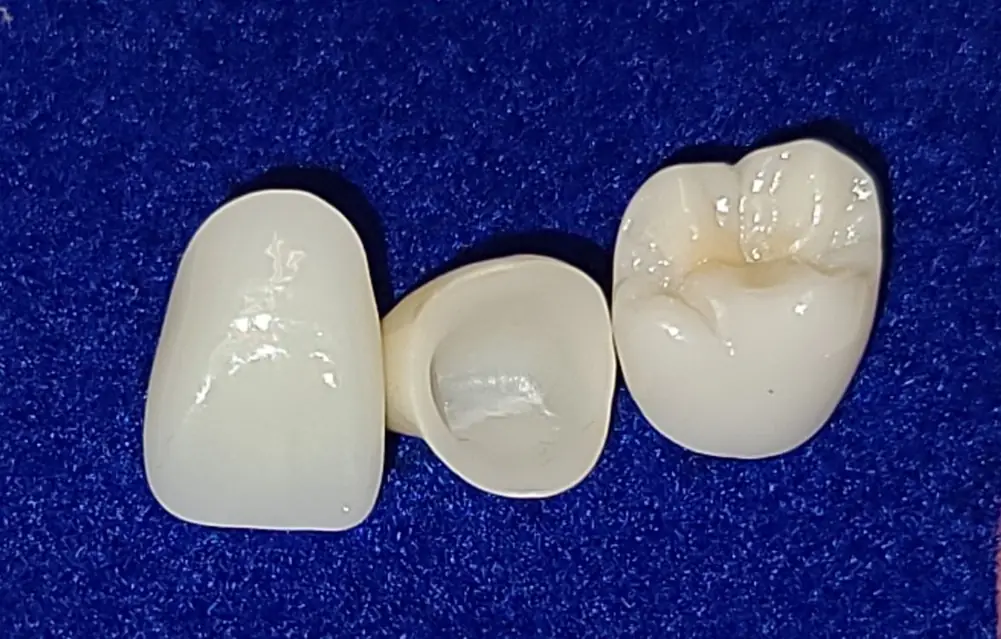
It usually happens on something ordinary. A piece of ice, a hard pretzel, an elbow at a kid's soccer game. One second the tooth is fine and the next there is a rough edge where a smooth one used to be. The good news is that a chipped or broken tooth almost never needs the dramatic fix people imagine. The fix usually comes down to one of three options, and the size and location of the damage decides which one.
Bonding, for a small chip
For a minor chip, especially on a front tooth, bonding is often the whole appointment. A tooth-colored composite resin is applied directly to the tooth, shaped by hand while it is still soft, then hardened with a curing light and polished to match the surrounding enamel. There is no lab involved and no second visit. It holds up well for small chips and minor gaps, though it is not meant to survive heavy biting force the way a natural tooth or a crown would, so it is not the right call for a molar that does most of the chewing.
A crown, when more of the tooth is gone
If the break is larger, if it involves a cusp, or if the tooth already had a large filling before it broke, a crown is usually the better answer. A crown covers the entire visible tooth above the gumline rather than patching one spot, which matters because a tooth that has lost a lot of its original structure needs something that restores its strength, not just its shape. Connecticut Dental Group's crowns are made in porcelain, and the practice's own local lab can turn some restorations around same-day rather than sending a patient home with a temporary for two weeks.
- Small chip, front tooth, cosmetic concern mainly: bonding
- Larger break, cusp missing, or a tooth that already had a big filling: crown
- Front tooth, otherwise structurally sound, but the surface itself is worn or discolored: veneer
- Any of the above with pain when biting or sensitivity to hot and cold: call rather than wait
A veneer, when the concern is the surface, not the structure
A veneer is a thin shell bonded to the front surface of a tooth. It is the right tool when the tooth itself is structurally fine but the front surface is worn, chipped at the edge, or discolored in a way whitening cannot fix. Connecticut Dental Group offers both traditional porcelain veneers and a no-prep option, which is thin enough that little or none of the natural tooth needs to be shaved down first, and is reversible in a way a traditional veneer is not. That makes it worth asking about specifically if you are hesitant about a permanent change to the tooth underneath.
How a crown actually gets made
A crown is not carved in the room while you wait, at least not in the traditional process. First the tooth is shaped down to make room for the crown to fit over it, then an impression is taken, either a physical mold or a digital scan of the tooth and its neighbors. That impression goes to a dental lab, where a technician builds the crown in porcelain, layer by layer, to match the size, shape and shade of the surrounding teeth. A temporary crown covers the tooth while that happens. Because Connecticut Dental Group works with its own local lab, some cases move faster than the two-week wait people expect, though how quickly depends on the specific tooth and material involved, and that timeline is worth confirming at the appointment itself rather than assuming.
What to do in the meantime
If you chip a tooth, rinse with warm water, save the piece if you can find it, and avoid chewing on that side until it is looked at. A sharp edge can cut the inside of your cheek or tongue, so covering it temporarily with a bit of dental wax or even sugar-free gum can help until your appointment. If there is pain, especially to hot, cold, or biting pressure, that is worth a same-day call rather than waiting for a routine slot, since it can mean the damage reaches deeper than the visible chip suggests.
Every one of these repairs is more straightforward with a clear look at the tooth first, which is why the practice takes a panoramic X-ray as a matter of course. It shows what is happening below the surface, not just what broke off. If you have chipped a tooth, or you are looking at an old filling that finally gave out, call Connecticut Dental Group at 4699 Main Street in Bridgeport and get it looked at before the edge does more damage on its own.
Connecticut Dental Group, (203) 372-4200
Call (203) 372-4200More articles
What actually happens at a first visit and a routine cleaning
No surprises, just the order things happen in, from the front desk to the chair.
Getting an implant when the periodontist and the oral surgeon are down the hall
Fewer offices, fewer new charts, and one team that already has your X-ray on file.